Historical-source note: This article is based on reporting published on November 11, 2026, at 18:26 UTC+8. Project plans and network statuses below reflect that reporting date.
Ethereum’s scaling debate is no longer simply about moving execution off the mainnet. The projects discussed in the original report made different decisions: some chose Ethereum L1 for particular products, some reconsidered operating their own L2, and others announced plans that had not yet been completed. Together, the cases raise an architectural question: which functions need a separate execution environment, and which benefit from remaining on a shared settlement layer? They do not establish a general retreat from L2s.
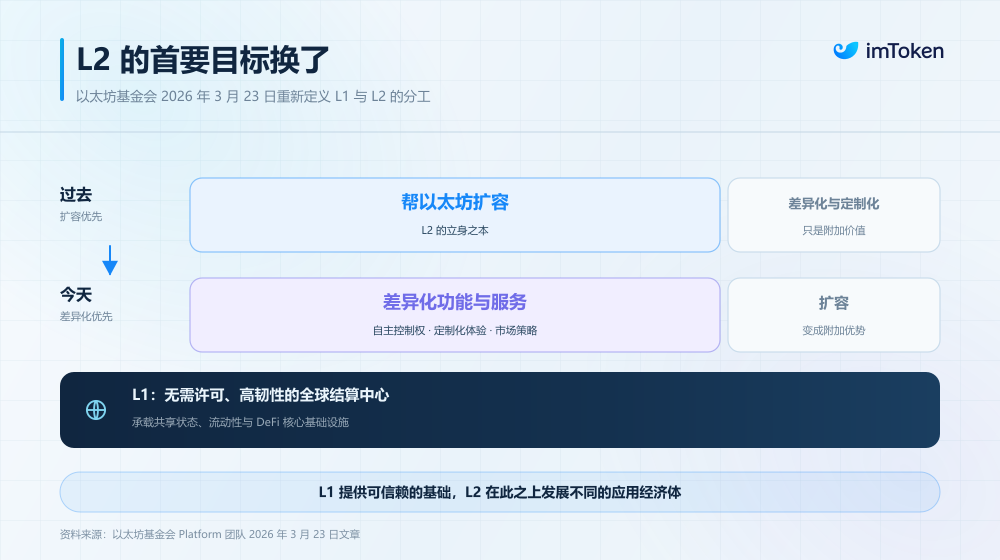
The cost of running a separate chain
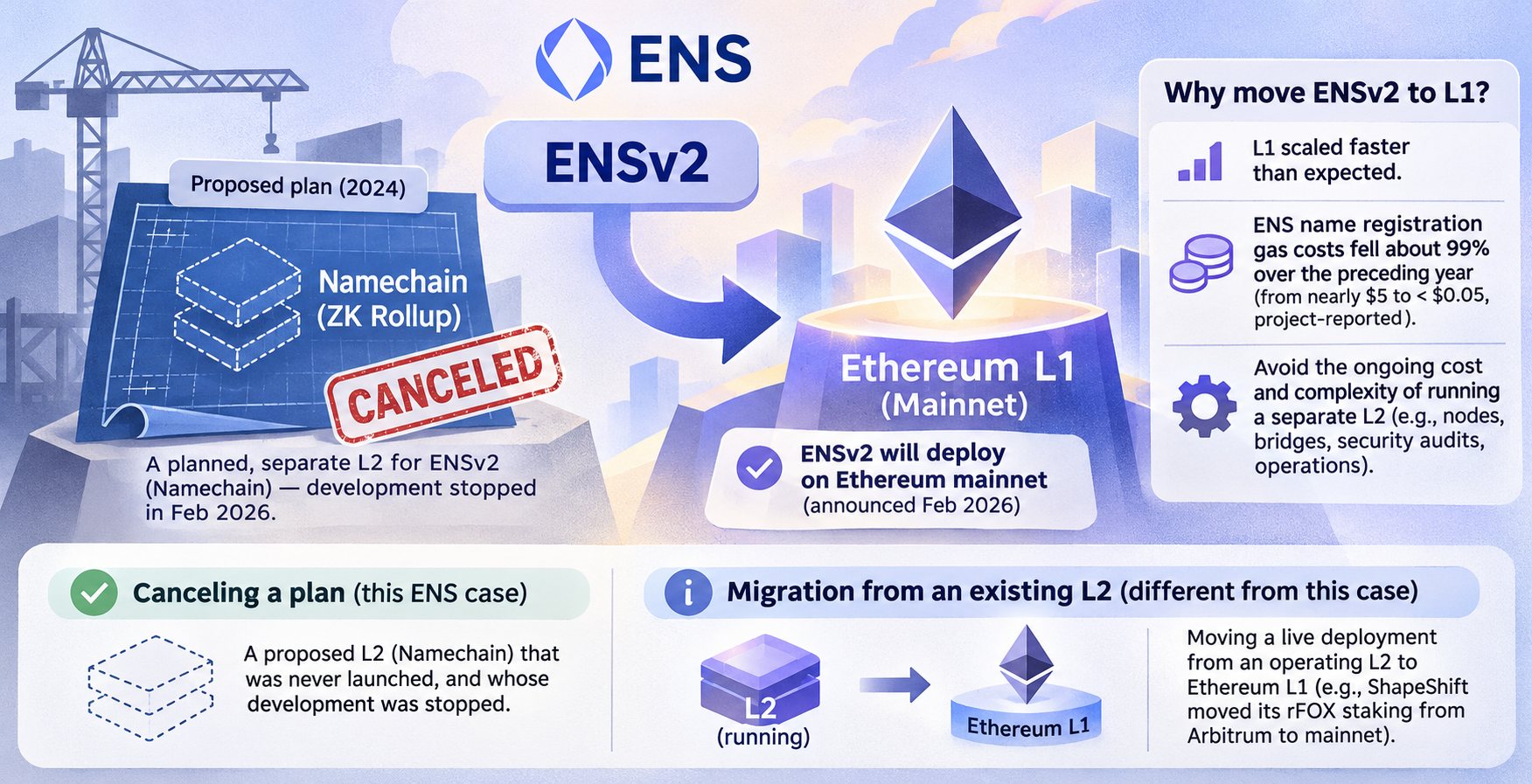
ENS illustrates the distinction between canceling a plan and migrating an existing deployment. ENS Labs planned a dedicated ZK rollup, Namechain, for ENSv2 in 2024. In February 2026, ENS co-founder Nick Johnson announced that development of Namechain would stop and ENSv2 would instead deploy directly on Ethereum mainnet. He said L1 had scaled faster than expected. According to figures disclosed by ENS Labs, average gas costs for ENS name registrations had fallen about 99% over the preceding year, from nearly $5 to less than $0.05. Those are project-reported costs, not a general measure of Ethereum transaction fees.
The report also describes different decisions elsewhere. Synthetix launched a new perpetual-futures exchange on Ethereum mainnet in December 2025 after arguing that its earlier L2 approach created liquidity fragmentation and infrastructure problems. ShapeShift moved its rFOX staking program from Arbitrum to mainnet on October 1, 2026; the stated rationale was that most FOX tokens were already held on L1. Superseed stopped its original L2 network in August 2026 and planned to move core products to mainnet.
Other cases require more careful wording. Trueo announced in September 2026 that it would move its main deployment from Base to Ethereum L1; the report does not establish that the move was complete. The source says Nillion launched Blacklight L1 in October and moved node operations previously on Nillion L2 “to Ethereum mainnet,” while planning to phase out the L2. It does not explain how that stated destination relates to Blacklight L1.
Operating a chain also entails a business test. According to the report, Blast announced on October 2 that it would wind down because network maintenance costs exceeded L2 revenue and it saw no reliable path to sustainability. Abstract subsequently announced a planned December 15 shutdown, citing insufficient liquidity, a limited DeFi ecosystem and lack of institutional participation despite reporting more than 144 applications and over 400,000 users. These are reported reasons and project figures, not evidence that every L2 faces the same economics.
Keep custody and settlement on L1, outsource execution
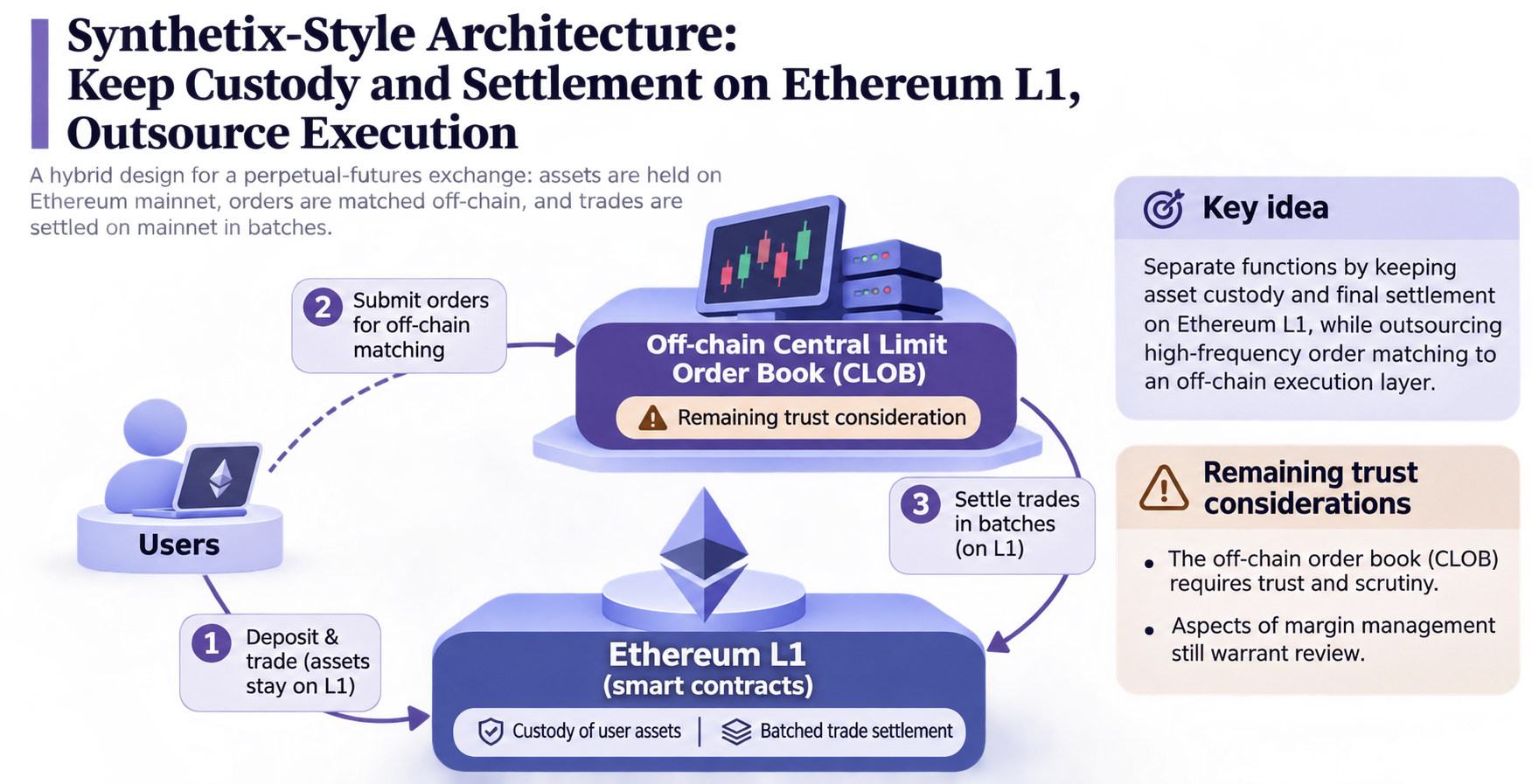
Synthetix’s exchange shows one alternative to placing an entire application on a rollup. In the architecture described by the source, Ethereum L1 contracts custody user assets, an off-chain central limit order book matches orders, and trade results are settled on mainnet in batches. The division avoids requiring users to bridge all their assets to another chain for fast matching. It does not remove every trust assumption: the off-chain order book and aspects of margin management still warrant scrutiny.
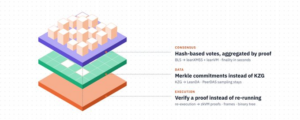
The source also points to native-rollup research and proposals such as the Ethereum Economic Zone as possible ways to improve verification and interaction across execution environments. It presents these as research and development directions, not deployed solutions to fragmented liquidity or synchronous composability.
What this does—and does not—say about ETH value
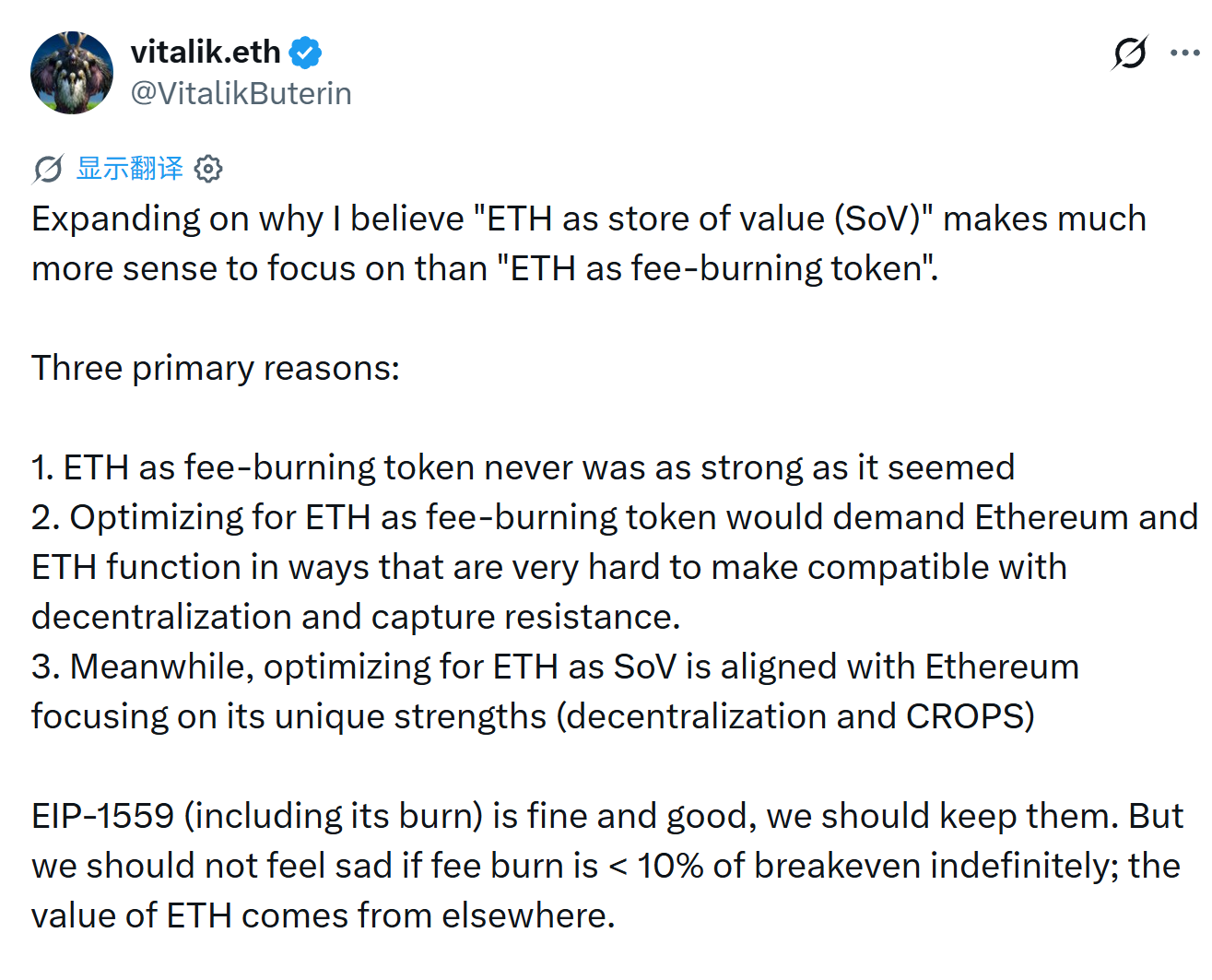
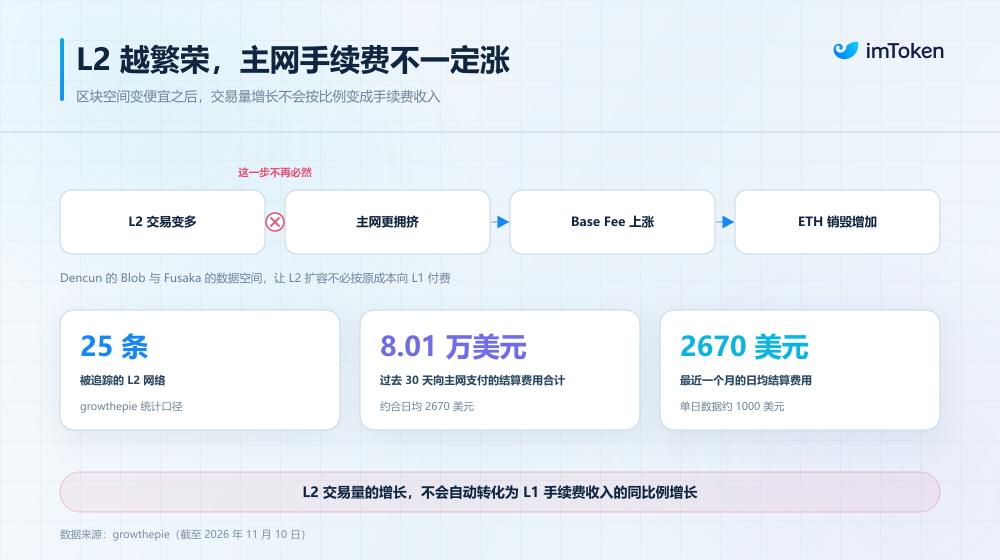
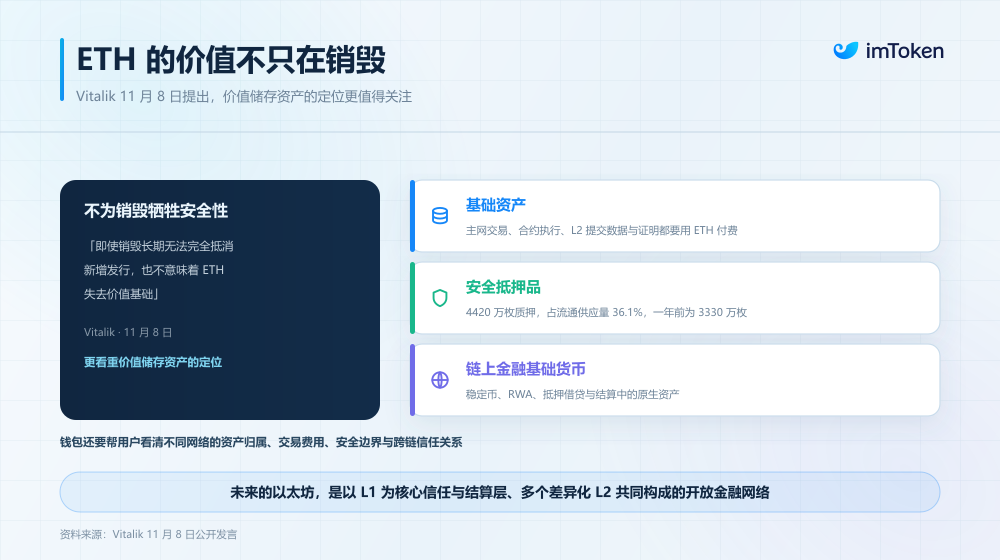
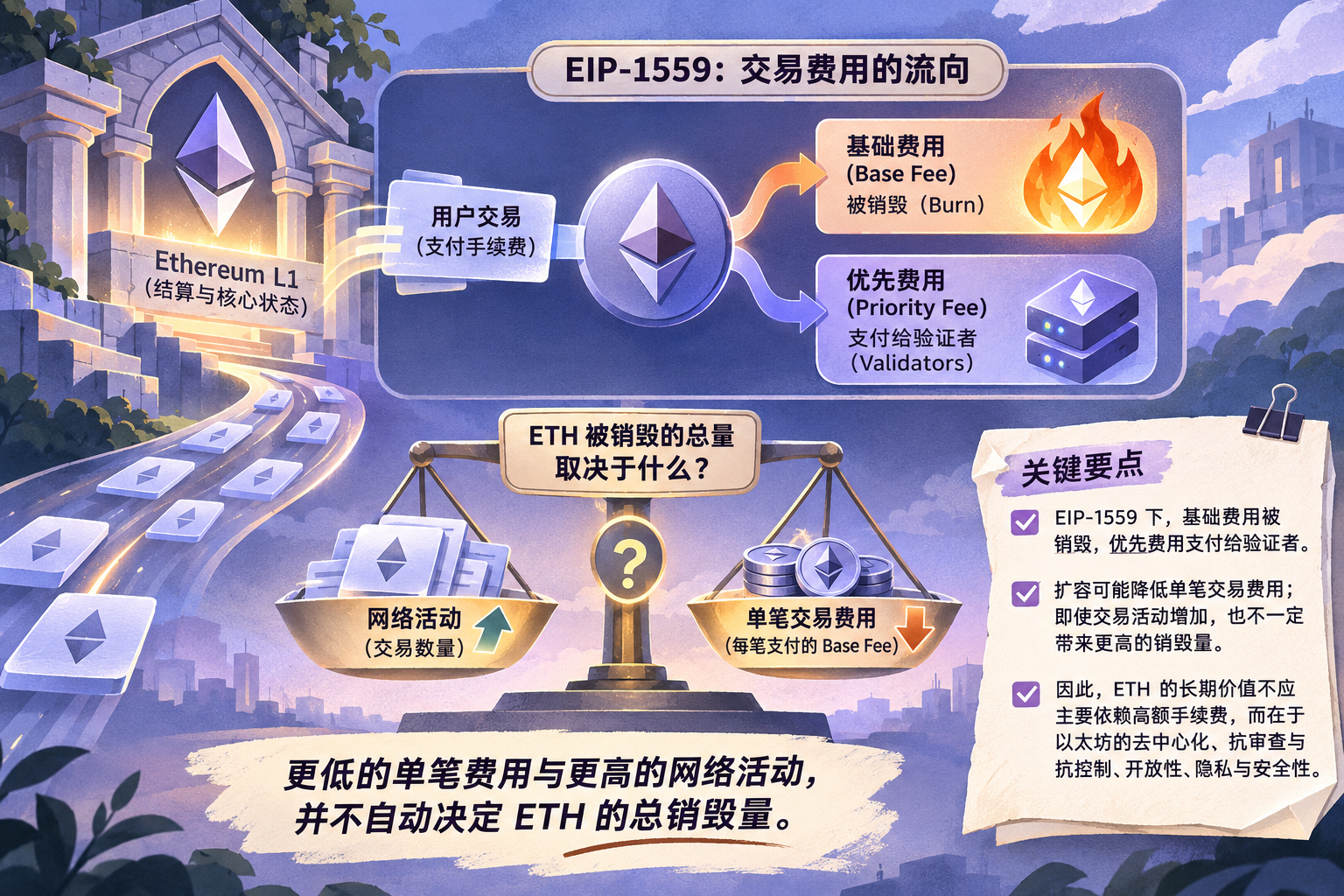
A stronger L1 does not mechanically imply greater ETH fee burn. Under EIP-1559, base fees are burned while priority fees go to validators. If scaling lowers the fee paid per transaction, greater activity need not produce proportionately greater burn. The report attributes to Vitalik Buterin the view that ETH’s long-term case should not depend primarily on high fees: he favors retaining EIP-1559 while emphasizing Ethereum’s decentralization, resistance to censorship and control, openness, privacy and security.
That is a thesis about the network’s usefulness and durability, not a valuation calculation. The supplied report offers no model that quantifies how mainnet deployments would affect ETH demand or price. Its narrower, supportable conclusion is architectural: improving L1 capacity changes the trade-off between a shared mainnet and a separately operated L2, while applications needing specialized execution may still have reasons to use L2s.