Historical source note: This article is based on a piece by Spencer Applebaum, a Multicoin Capital investment partner, published in Chinese translation on November 11, 2026, at 10:29 UTC+08:00. The figures and claims below reflect that reporting, not a current measurement.
AI may make it cheaper to build a decentralized exchange or lending protocol. Multicoin Capital’s argument is that cheaper software does not make a financial business equally easy to reproduce: a competitor still needs customers, capital and the information required to assess risk. The distinction matters for DeFi valuation because copying a protocol’s code is not the same as copying its ability to earn fees.
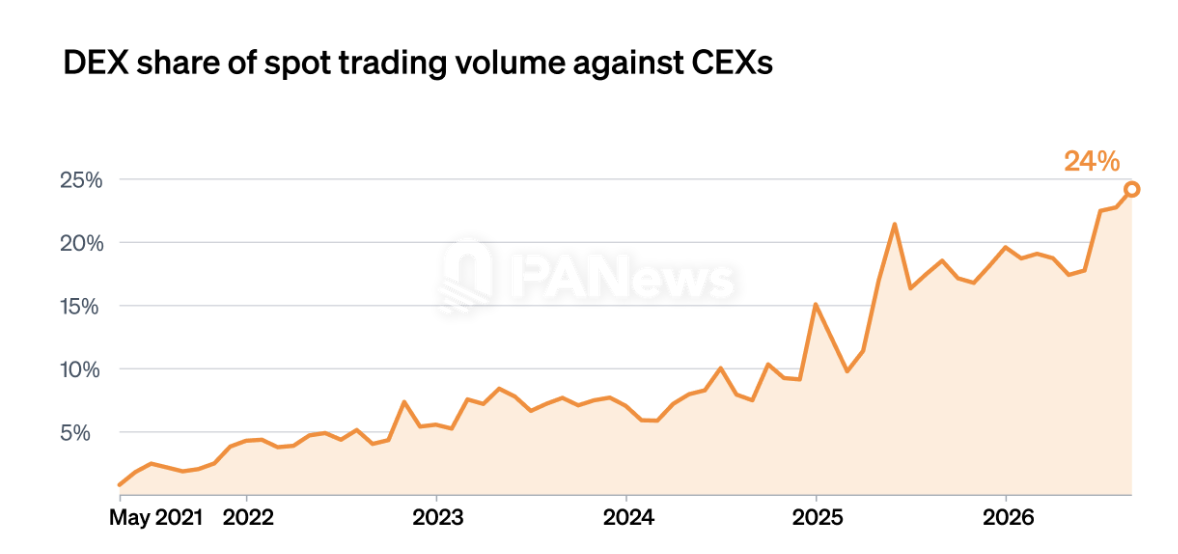
Distribution: who controls the customer relationship?
The article defines distribution as control over where orders or balances flow. Its clearest examples are interfaces that can direct users to competing infrastructure. According to the source, Phantom charges an additional 5 basis points for perpetual trades routed through Hyperliquid, on top of Hyperliquid’s 4.5-basis-point fee. Hyperliquid supplies the matching and risk systems; Phantom controls the user-facing route.
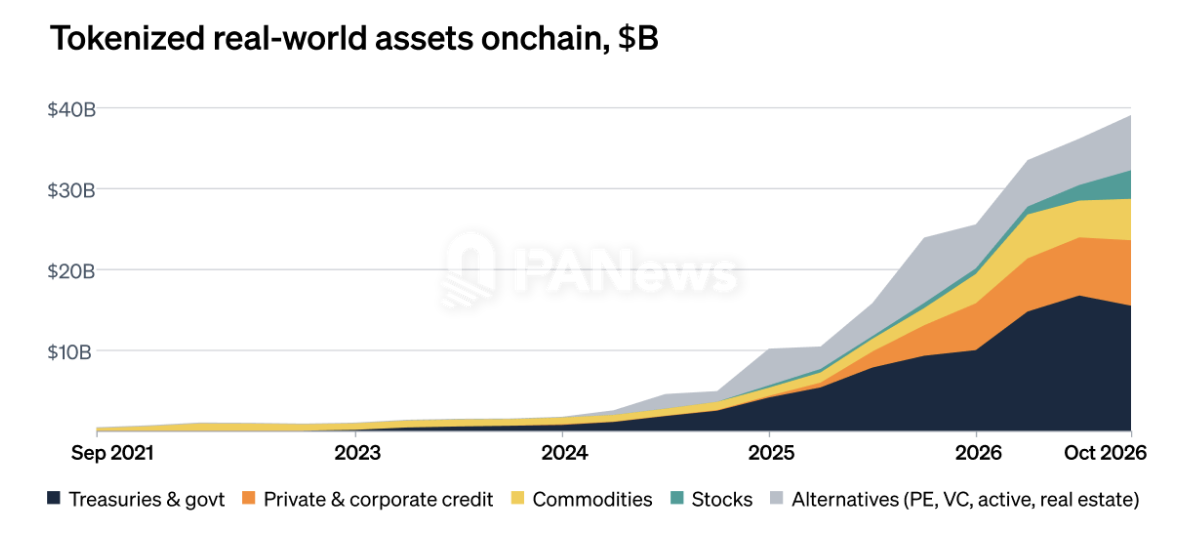
That pricing power has a limit. The article says competing Hyperliquid front ends have begun cutting fees, and wallet users can move to another interface by importing their keys. Distribution is therefore more defensible when the customer relationship or funded account is difficult to move—not merely because an application has a convenient screen.

Capital: who can finance positions and absorb losses?
A lending or trading system needs funds as well as code. The article distinguishes liquidity supplied by users, which may leave when incentives change, from capital retained on a protocol’s own balance sheet. It also points to a potential role for DeFi prime brokers: financing positions across venues could reduce the need for traders to post separate collateral at each one. That is a proposed opportunity, not an established outcome. It would require funding and risk management that software alone cannot provide.
Risk-bearing capital can also make a protocol harder to replace. The article cites Hyperliquid’s HLP vault, whose depositors share profits but can incur losses; it reports an approximately $4 million loss while closing a large ETH position in March 2025. The example illustrates both the service such capital provides and the exposure its providers accept.
Proprietary data: when public-chain records are insufficient
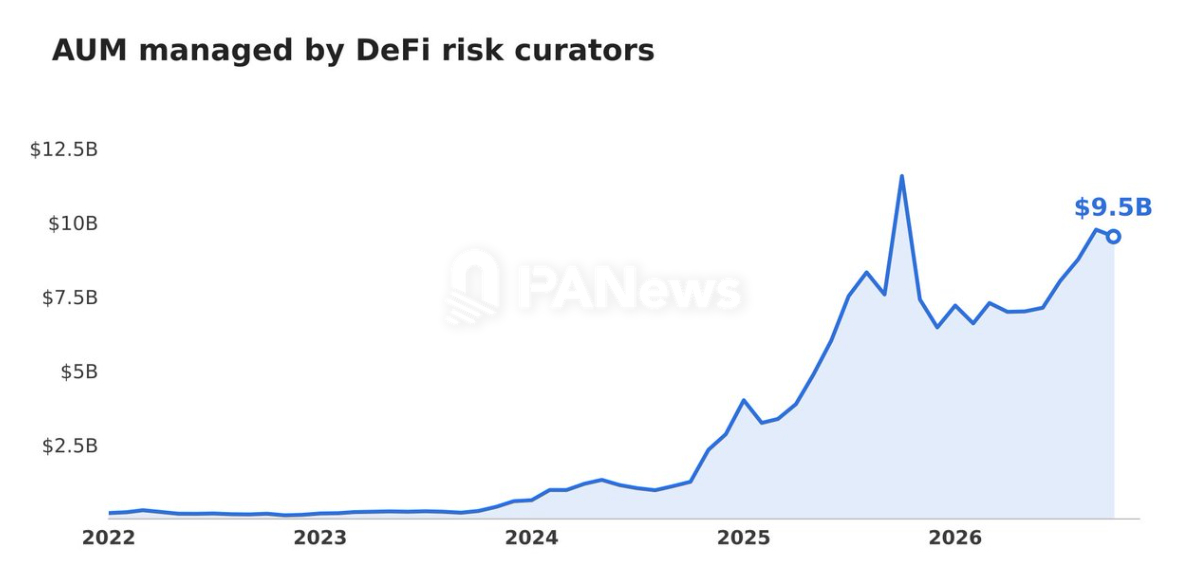
For loans backed by ETH or BTC, market prices and collateral positions are broadly visible, leaving risk managers with much of the same information. The article contrasts that with underwriting real-world insurance risk, which depends on claims histories and contracts unavailable from a block explorer. It reports that OnRe charges a 75-basis-point management fee plus a 20% share of returns, versus a 19-basis-point average management fee for the DeFi risk curators it discusses. Those fees are not a like-for-like measure of data value: the source also notes differences in liquidity and potential losses.

Multicoin’s framework leaves room for new entrants. It argues that a startup may initially serve a market an incumbent avoids because of regulation, operational complexity or reputation risk. But willingness to take that risk is an entry point, not a lasting moat. The longer-term test is whether the business can turn that opening into durable distribution, capital or underwriting capability.
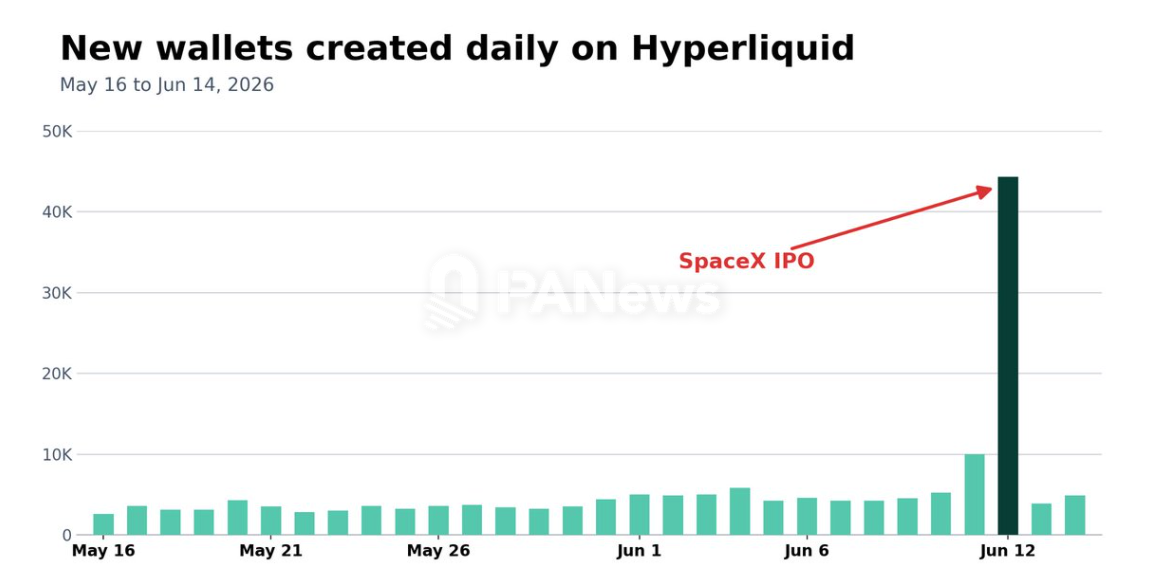
This is an investor’s framework, not proof that any named protocol will retain its fees or that financial activity will move on-chain at the scale Multicoin forecasts. It identifies what to examine beyond a protocol’s software—and why each apparent advantage needs to be tested for how readily it can move or be replicated.
Source: panewslab.com (originally published 2026-11-11 10:29 UTC+8)